GZbohangzhineng@163.com
+86-18675873677



An uneven bottle bottom is a common quality issue in blow Molding production. It can affect bottle stability, visual appearance, filling performance, and even downstream packaging operations. If not addressed in time, this problem may lead to higher rejection rates and customer complaints. This article explains the main causes of uneven bottle bottoms and provides practical, production-level solutions to help manufacturers improve consistency and product quality.
The bottle bottom plays a critical role in load bearing and stability. An uneven base can cause bottles to wobble on conveyor lines, tip over during filling, or deform under stacking pressure. For carbonated or liquid-filled bottles, bottom integrity is especially important to withstand internal pressure and long-term storage.
Maintaining a uniform bottom thickness and shape is essential for both functional performance and professional appearance.
Uneven bottle bottoms usually result from a combination of material behavior, process settings, and mold conditions rather than a single factor.
One frequent cause is non-uniform heating of the preform. If the bottom area of the preform is overheated or underheated, the material will stretch inconsistently during blowing, leading to thickness imbalance.
Another common factor is improper blowing pressure or timing. If pre-blow or high-pressure blow settings are not optimized, the material may not fully distribute into the mold bottom.
Mold temperature imbalance can also contribute to the issue. When the bottom mold cools unevenly, the plastic may solidify at different rates, creating distortion.
In addition, misalignment of the stretch rod or incorrect stretch rod length can prevent proper material distribution in the bottle base.
Ensure that the preform bottom area is heated evenly and within the recommended temperature range for the specific material. Adjust infrared lamp zones or heating profiles to avoid excessive heat concentration at the gate area. Uniform heating allows the material to stretch evenly and fill the mold base correctly.
Fine-tune pre-blow pressure, main blowing pressure, and blowing time. Insufficient pressure may cause incomplete bottom formation, while excessive pressure can create localized thinning. Gradual pressure buildup often improves material flow into the bottle bottom.
Verify that the stretch rod is centered and moves smoothly. Incorrect stretch rod length or misalignment can lead to uneven axial stretching, which directly affects bottom symmetry. Adjust the stroke length so the rod reaches the designed bottom position without excessive force.
Ensure the bottom mold temperature is stable and evenly distributed. Check cooling channels for blockages or uneven water flow. A balanced cooling system helps the bottle bottom solidify uniformly, reducing deformation after demolding.
Inconsistent preform weight, gate thickness, or material distribution can cause uneven bottle bottoms even if machine settings are correct. Use preforms with stable dimensions and consistent material quality to improve forming accuracy.
| Issue Area | Possible Cause | Recommended Action |
|---|---|---|
| Bottom too thin | Overheating or excessive stretch | Reduce bottom heating, adjust stretch |
| Bottom uneven | Mold temperature imbalance | Check cooling channels |
| Wobbling bottle | Insufficient blowing pressure | Increase or optimize blow pressure |
| Deformed base | Early demolding | Extend cooling time |
Regular machine maintenance is essential to prevent recurring bottom defects. Periodically calibrate heating systems, inspect stretch rods, and clean mold cooling channels. Stable production parameters and standardized setup procedures help reduce variation between batches.
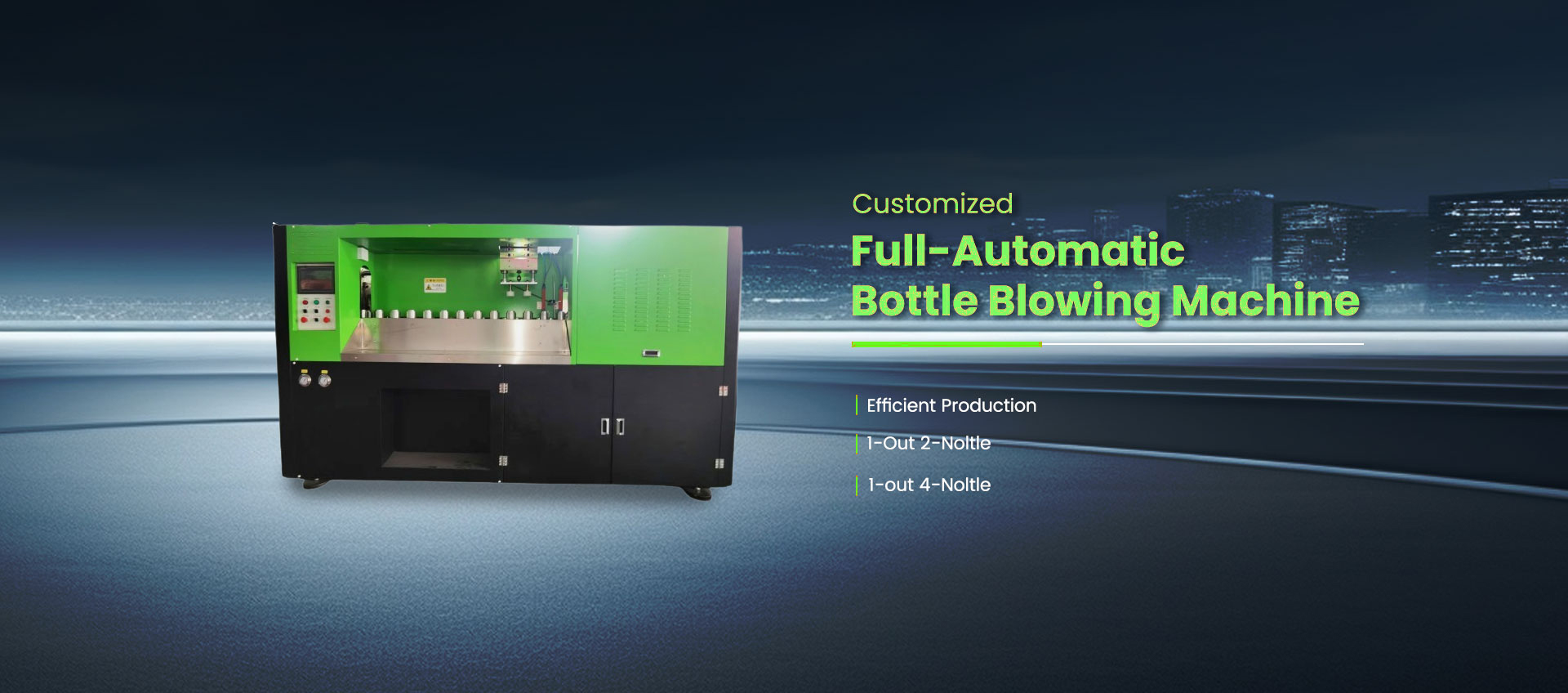
Using a Bottle Blowing Machine with precise temperature control and stable mechanical structure also plays a key role. Advanced systems allow operators to fine-tune heating zones, blowing curves, and stretching behavior with higher accuracy.
bottle blowing machines from BOHANG are designed with consistent heating control, reliable stretching systems, and stable mold support, helping manufacturers reduce common issues such as uneven bottle bottoms and improve overall production consistency.
If the bottle bottom is uneven, the solution lies in systematic adjustment rather than quick fixes. By optimizing preform heating, refining blowing parameters, ensuring proper stretch rod alignment, and maintaining mold temperature balance, manufacturers can significantly improve bottle bottom uniformity.
With proper process control and reliable equipment such as BOHANG bottle blowing machines, uneven bottle bottoms can be effectively minimized, resulting in more stable bottles, higher yield rates, and improved customer satisfaction.