GZbohangzhineng@163.com
+86-18675873677



Bottle Blowing Machines are designed to transform plastic raw materials into uniform, durable bottles used across food, beverage, personal care, pharmaceutical, and industrial packaging sectors. Understanding which raw materials are compatible with a bottle blowing machine is essential for manufacturers, as material selection directly affects bottle quality, production efficiency, cost control, and regulatory compliance. This article explains the main raw materials used in bottle blowing machines, their characteristics, and how they influence the final bottle performance.
Most bottle blowing machines process thermoplastic polymers that soften when heated and solidify when cooled. These materials are typically supplied in the form of preforms or granules, depending on the machine type and production process. The most commonly used raw materials are selected for their clarity, strength, chemical resistance, and suitability for high-speed Molding.
Modern bottle blowing machines are engineered to handle a range of plastics, allowing manufacturers to adapt to different product requirements and market demands.
PET is the most widely used raw material in bottle blowing machines, especially for beverage and food packaging. PET preforms are heated and blown into bottles with excellent transparency and smooth surface finish. The material offers high strength-to-weight ratio, making it ideal for lightweight yet durable bottles.
PET is commonly used for water bottles, carbonated drinks, edible oil containers, and many household liquid products. Its good gas barrier properties help maintain carbonation and product freshness. PET is also recyclable, which makes it a preferred material in markets focused on sustainable packaging.
HDPE is another important raw material used in bottle blowing machines, particularly for containers that require higher impact resistance and chemical stability. HDPE bottles are typically opaque or translucent rather than fully transparent.
This material is widely used for milk bottles, detergent containers, chemical packaging, and industrial liquids. HDPE offers excellent resistance to moisture, acids, and many solvents. It performs well in environments where durability and safety are more important than visual clarity.
Polypropylene is used in bottle blowing machines for applications requiring higher temperature resistance and rigidity. PP bottles can withstand hot filling processes better than many other plastics, making them suitable for food products, sauces, and certain pharmaceutical containers.
PP provides good fatigue resistance and structural strength. While its transparency is lower than PET, it offers reliable performance in applications where heat resistance and mechanical stability are critical.
PVC can also be processed by certain bottle blowing machines, mainly for non-food packaging applications. It offers good clarity and chemical resistance, but its use has declined in food and beverage sectors due to regulatory and environmental considerations.
PVC bottles are sometimes used for cosmetic, personal care, and industrial products where specific chemical compatibility is required.
Bottle blowing machines typically work with one of the following material forms:
| Material Form | Description |
|---|---|
| Preforms | Injection-molded parts reheated and blown into final bottles |
| Granules | Raw plastic pellets used in extrusion blow molding |
| Recycled Resin | Processed recycled plastic suitable for controlled applications |
Injection stretch blow molding machines mainly use preforms, while extrusion blow molding machines often process granules directly.
The choice of raw material is closely linked to the type of bottle blowing machine used. Injection stretch blow molding machines are optimized for PET and similar materials that require precise stretching for strength and clarity. Extrusion blow molding machines are more flexible and can process HDPE, PP, and PVC for thicker-walled containers.
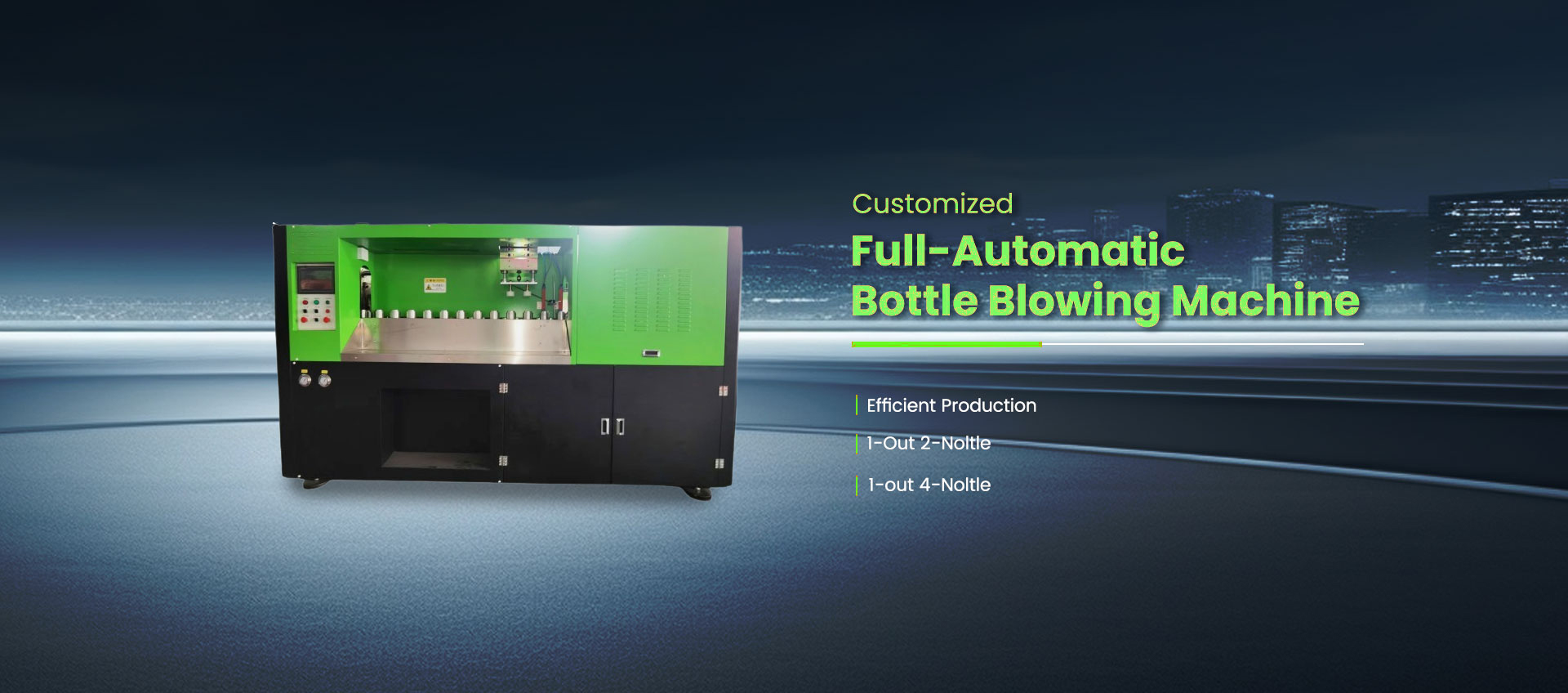
Advanced bottle blowing machines from BOHANG are designed to support multiple material types with stable heating systems and precise blowing control. This flexibility allows manufacturers to switch between materials according to product needs while maintaining consistent bottle quality.
Selecting the right raw material for a bottle blowing machine depends on several factors. These include the intended use of the bottle, required transparency, chemical resistance, temperature tolerance, and regulatory standards. Cost efficiency and material availability also play important roles in large-scale production.
Material properties must align with machine specifications to ensure smooth processing, consistent wall thickness, and minimal waste during production.
The performance of raw materials in bottle blowing is influenced by machine design, heating accuracy, and blowing pressure control. Uniform heating is essential for materials like PET to achieve consistent stretching and clarity. Strong clamping systems and stable molds are critical for thicker materials such as HDPE and PP.
BOHANG bottle blowing machines focus on precise temperature control and stable mechanical structure, helping manufacturers achieve reliable results across different raw materials and bottle designs.
Bottle blowing machines are compatible with several thermoplastic raw materials, including PET, HDPE, PP, and PVC. Each material offers unique advantages in terms of clarity, strength, chemical resistance, and heat tolerance. Understanding these differences helps manufacturers select the most suitable raw material for their products and target markets.
With versatile equipment such as bottle blowing machines from BOHANG, producers can efficiently process various raw materials while maintaining consistent quality, production stability, and long-term operational reliability.