GZbohangzhineng@163.com
+86-18675873677



A Bottle Blowing Machine is essential equipment in modern packaging production. It converts simple plastic preforms into finished hollow bottles, supporting high-volume manufacturing for beverages, cosmetics, cleaning products, and pharmaceuticals. This article explains the working principles, stages of operation, and key components of these machines in a clear, structured format suitable for an industrial audience, with reference to offerings from BOHANG on bohangmachine.com.
At its core, a bottle blowing machine uses thermoplastic Molding technology to shape plastic preforms into bottles through controlled heating, stretching, and air pressure. These systems are highly automated and designed for rapid, consistent bottle production. They are widely used in industries that require large quantities of containers with precise dimensions and material properties.
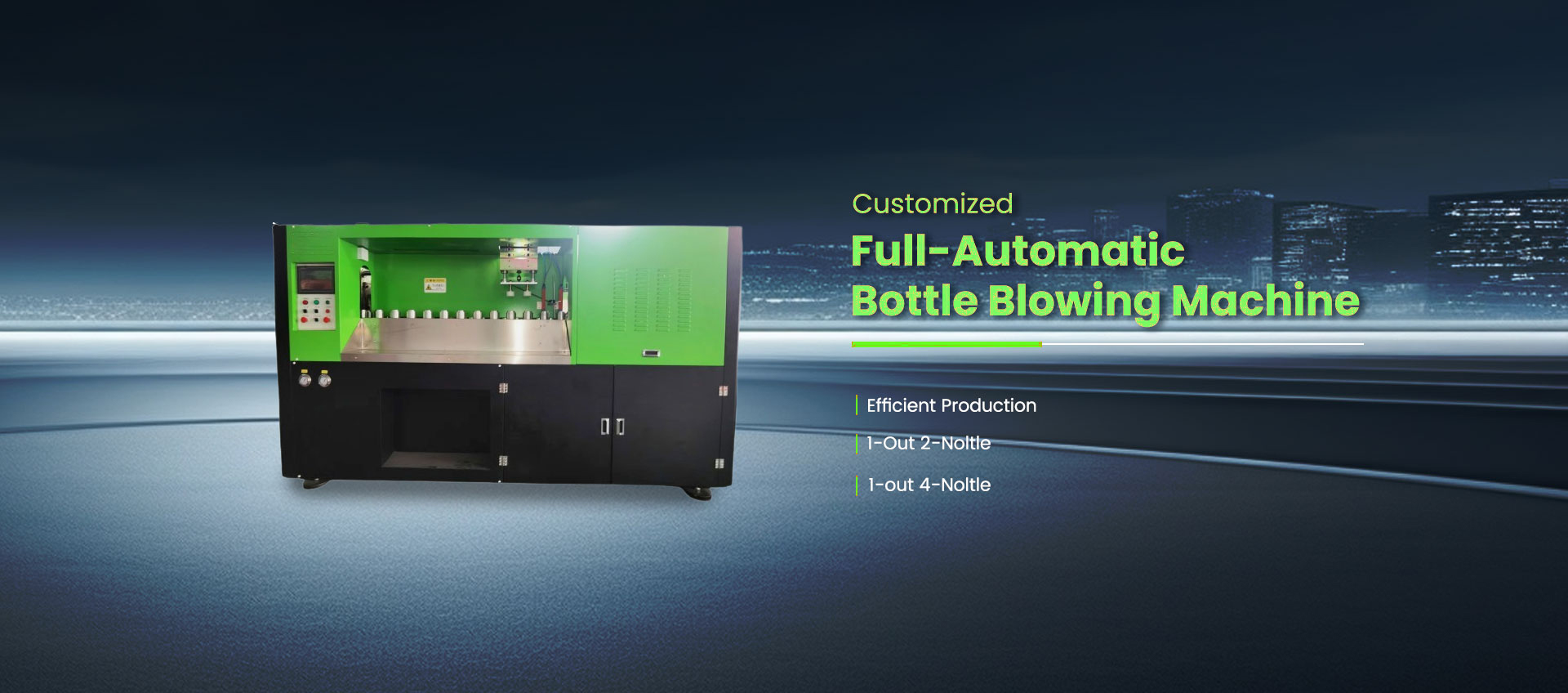
Many manufacturers, including BOHANG, produce both fully automatic and semi-automatic machines tailored to production scale and budget. BOHANG machines are known for stable performance, high speed, and adaptability to various bottle sizes.
The process inside a bottle blowing machine follows established principles of blow molding. While specific designs vary, most machines operate on the preform heating and stretch-blow molding stages.
Plastic preforms, typically made of PET (polyethylene terephthalate), enter the heating zone. Here, infrared heaters raise the temperature of the preforms to a level where the polymer becomes soft and pliable without melting. Uniform heating is critical to ensure consistent stretching and blowing in later stages.
Once heated, each preform moves to the mold station. A stretch rod extends into the preform, pulling it lengthwise. This axial stretching promotes molecular orientation in the plastic, increasing strength and clarity in the finished bottle. The combination of axial and radial stretching improves mechanical properties such as impact resistance.
After stretching, the machine injects high-pressure air into the preform. The compressed air forces the softened plastic outward so that it conforms to the shape of the surrounding mold cavity. High precision molds define the final bottle dimensions, neck finish, and wall thickness distribution.
Once the plastic takes the desired shape, cooling systems stabilize the bottle to prevent deformation. After solidification, the molds open and the finished bottles are ejected for collection or further processing. This cycle is optimized for rapid repetition, enabling high production throughput.
Bottle blowing machines fall into main categories based on automation and production method:
| Type | Automation Level | Typical Use Case |
|---|---|---|
| Fully Automatic Machines | High | Large-scale production with minimal human intervention |
| Semi-Automatic Machines | Medium | Small batches or lower budget production lines |
| Single-Stage Systems | Integrated preform making and blowing | Compact production needs |
| Two-Stage Systems | Separate preform molding and blowing | High precision and flexibility |
Fully automatic machines handle the entire cycle from feeding preforms to delivering finished bottles. Semi-automatic systems require some manual interaction, such as preform loading. Choosing between these systems depends on desired output, labor cost, and factory layout.
Understanding the major components of a bottle blowing machine helps in evaluating performance and maintenance needs:
Preform Loading and Heating Unit – Positions preforms and raises their temperature uniformly.
Mold Station – Houses precision steel molds that define bottle shape and neck features.
Stretching and Blowing Mechanism – Includes stretch rods, blow pins, and high-pressure air systems.
Control System – Automated controls manage temperature, pressure, and cycle timing for accuracy.
Cooling System – Circulates coolant to solidify the plastic quickly, stabilizing the vessel shape.
The typical workflow in a bottle blowing machine can be described in the following sequence:
Preform Feeding: Preforms are loaded automatically or manually.
Conditioning: Infrared heaters prepare the preforms for molding.
Stretching: Mechanical rods elongate the preform’s body.
Blowing: Compressed air expands the preform into the bottle shape.
Cooling: Mold cooling channels solidify the structure.
Ejection: Finished bottles are released for collection.
This controlled cycle allows manufacturers to produce thousands of bottles per hour with consistent quality.
These machines are used wherever plastic bottles are required, including:
Beverage packaging (water, soft drinks, juices)
Personal care product containers
Household cleaning product bottles
Pharmaceutical liquid containers
Their adaptability to different bottle sizes and shapes makes them essential in competitive markets.
A bottle blowing machine is a highly controlled industrial system that transforms plastic preforms into finished bottles through heating, stretching, blowing, and cooling. Modern machines integrate precision controls and automation to deliver rapid, efficient production with consistent quality. Suppliers like BOHANG offer a range of fully automatic and semi-automatic solutions that support varied manufacturing needs, from small batch runs to large-scale production lines.
By understanding how these machines work and what components are involved, procurement teams and factory engineers can better match equipment capabilities to production requirements, ensuring reliable performance and optimal output.