GZbohangzhineng@163.com
+86-18675873677



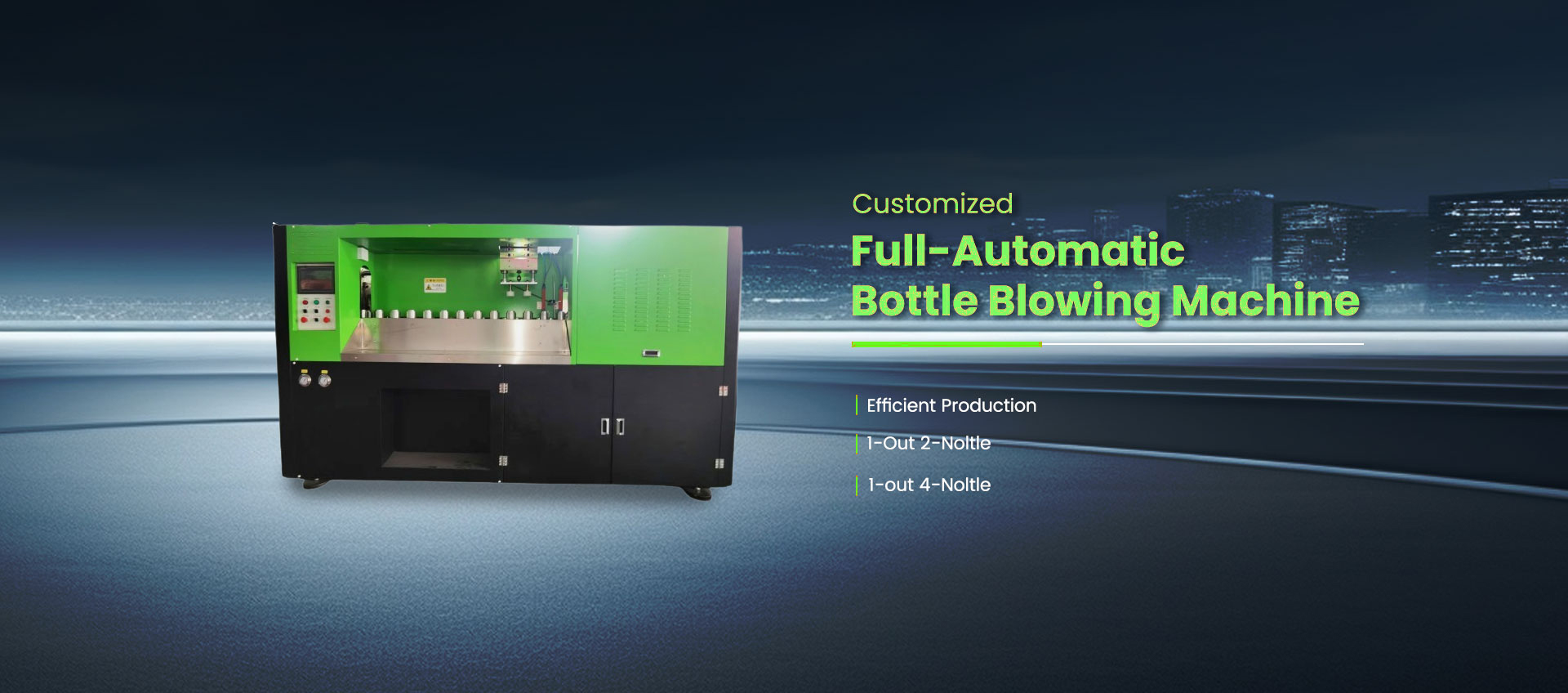
A Bottle Blowing Machine is the core equipment used to transform preforms into finished plastic bottles for water, beverages, household chemicals, cosmetics and industrial packaging. Understanding its major components helps buyers evaluate production efficiency, bottle quality and long-term reliability. Modern systems integrate mechanical, pneumatic and heating modules to ensure stable blowing pressure, consistent wall thickness and high output capacity. This article outlines the essential parts of a typical bottle blowing machine and explains how each section contributes to a smooth production workflow.
The first section of a bottle blowing machine is the preform loading system, responsible for feeding preforms into the production line in a stable and continuous manner. This includes a hopper, a lift conveyor and an orientation unit that positions the preforms neck-up to prevent jamming. A well-designed feeding system allows uninterrupted production and reduces manual intervention. It also ensures that every preform enters the heating stage in the correct direction, which directly affects bottle uniformity.
Once preforms are aligned, they pass through an infrared heating oven. This component contains multiple heating lamps arranged across several zones, allowing precise temperature adjustment. Preforms must reach a specific temperature window for optimal stretchability. If the temperature is too low, the material cannot stretch evenly. If too high, deformation occurs. The heating oven’s accuracy determines bottle clarity, wall thickness consistency and mechanical strength. Many systems include temperature sensors to ensure uniform heating across all positions.
After heating, the preform enters the stretching unit. This mechanism uses a stretch rod to elongate the heated preform before final blowing. Controlled stretching is crucial because it orients the polymer chains and improves the bottle’s rigidity. In some machines, a pre-blow station introduces low-pressure air during this stage. This initial shaping step prevents uneven thickness and helps achieve the desired bottle profile. The performance of the stretching mechanism has a direct impact on bottom shape, bottle capacity stability and strength.
The heart of bottle forming lies in the high-pressure blowing system. Compressed air enters the Mold cavity at controlled pressures to expand the preform into its final bottle shape. Key parts include high-pressure valves, air storage tanks, manifolds and pressure regulators. Stable airflow ensures high transparency, strong sidewalls and accurate dimensions. Many systems use two-stage blowing to improve efficiency, separating high-pressure and low-pressure circuits. This setup reduces energy consumption while maintaining bottle quality in large-scale production.
A reliable clamping system is essential to withstand the significant force generated during high-pressure blowing. The mold clamping unit typically includes a mechanical or servo-driven structure that opens and closes the mold with precision. Proper alignment ensures that the parting line remains clean and prevents flash. Durable clamping locks maintain stability throughout the cycle, while mold change mechanisms allow quick product switching. The design of this unit influences machine durability and long-term productivity.
Bottle molds are customized components that define the final bottle shape, size and texture. They are made from aluminum or high-grade steel and may include engraved patterns, grooves or brand-specific shapes. Mold quality determines dimensional accuracy and production repeatability. Proper cooling channels inside the mold help dissipate heat rapidly, shortening cycle time and enhancing clarity. Since molds are directly responsible for bottle aesthetics, they require precision machining and careful maintenance.
A cooling system ensures that both the preform and mold maintain stable temperatures during continuous operation. This typically includes chillers, cooling towers, pipelines and flow regulators. Efficient cooling accelerates bottle solidification and prevents deformation. It also extends the life of mechanical components by reducing thermal stress. In high-speed production lines, optimized cooling significantly increases output and reduces energy consumption.
bottle blowing machines rely on pneumatic systems for stretching, blowing and clamping. Valves, cylinders, regulators and pressure sensors work together to deliver stable movements. Some machines also incorporate hydraulic systems for heavy-duty clamping. Advanced models include proportional valves and servo controls for improved precision. The quality of these control systems directly affects machine responsiveness, operating speed and energy efficiency.
The electrical control panel acts as the command center of the machine. It includes PLC modules, touch screens, safety relays and wiring systems. Operators use this interface to adjust heating levels, blowing pressure, cycle timing and alarm settings. Modern machines feature digital monitoring, fault detection and data logging to support predictive maintenance. A well-designed control panel improves operational stability and helps operators manage complex production requirements with ease.
After the bottle leaves the mold, it moves through a discharge system that usually includes a conveyor or air chute. This section cools the finished bottle and transports it to the next stage, such as leak testing, labeling or packing. Smooth discharge flow prevents bottle damage and ensures consistent downstream processing.
| Component | Primary Function |
|---|---|
| Preform Feeder | Delivers preforms into the system in correct orientation |
| Heating Oven | Softens preforms to the required temperature |
| Stretching Unit | Extends preforms for proper material orientation |
| Blowing System | Uses high-pressure air to form the bottle shape |
| Mold Clamping Unit | Opens, closes and locks molds securely |
| Bottle Molds | Defines bottle dimensions and design |
| Cooling System | Regulates temperature for stable forming |
| Control Panel | Manages all machine operations |
| Discharge System | Moves finished bottles for downstream processes |
When selecting bottle blowing equipment, buyers should consider stability, energy efficiency, mold compatibility and automation level. A manufacturer with strong engineering capability and customization support is crucial for long-term success.
JINBORUN offers bottle blowing machines and packaging equipment designed for consistent performance in industrial production. Their systems provide reliable heating, efficient air circuits and precise control, making them suitable for factories seeking high-quality bottle forming solutions.