GZbohangzhineng@163.com
+86-18675873677



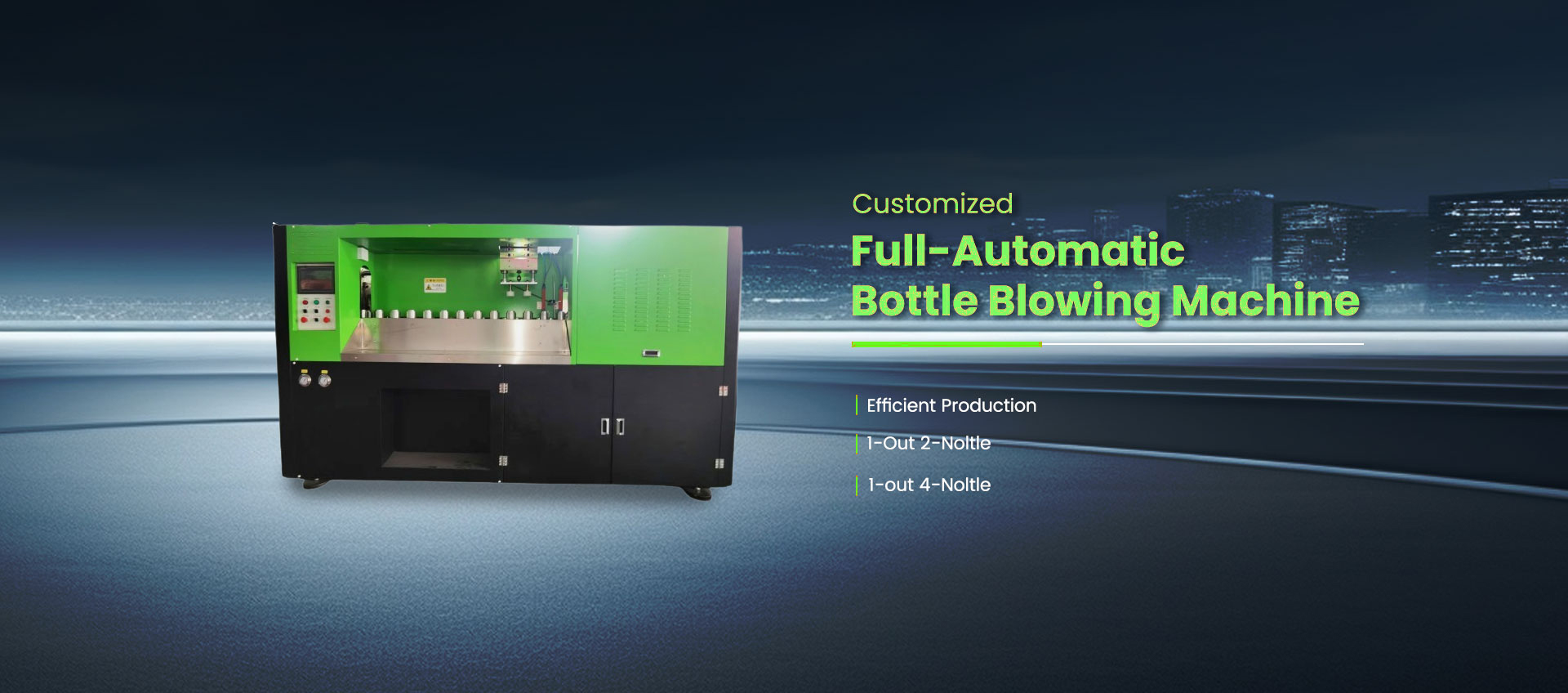
A Bottle Blowing Machine transforms PET preforms into finished plastic bottles through a controlled and highly efficient production process. This technology is widely used in beverage, food packaging, cosmetics, and household chemical industries due to its precision, speed, and ability to support a wide range of bottle shapes and volumes. Understanding how the system works helps procurement teams and factory engineers evaluate production capacity, bottle quality, and suitability for different packaging lines.
A bottle blowing machine performs two main stages: preform heating and stretch-blow Molding. The preforms are first heated to an elastic yet stable temperature, then transferred into molds where high-pressure air inflates them into the final bottle shape. Modern systems integrate servo motion control, energy-saving infrared heating, and automated temperature monitoring to maintain consistent output.
This workflow improves dimensional accuracy and overall bottle strength, allowing manufacturers to meet strict packaging standards across industries. Companies seeking reliable equipment often turn to specialized manufacturers such as JINBORUN, which offers advanced blowing systems designed for stable, high-volume performance.
Production begins when PET preforms are automatically loaded into the hopper and aligned for consistent feeding. The orientation system ensures that each preform enters the heating track in a vertical, uniform position. Proper alignment prevents defects during heating and guarantees even stretching in the mold.
The transportation components—belts, chains, or star wheels—move the preforms through the machine while minimizing friction or accidental surface damage. Consistent orientation is crucial for achieving symmetrical wall thickness in the final bottles.
Once aligned, the preforms move into the heating tunnel. Infrared lamps gradually warm them to the required temperature, commonly between 90°C and 120°C. This range softens the PET without causing deformation.
Key factors in this stage include:
Adjustable lamp intensity for different preform sizes
Independent heating zones for precise temperature profiles
Reflective panels that optimize heat distribution
Temperature sensors continuously monitor each zone, ensuring that the preform reaches optimal elasticity—firm enough to hold its shape, yet flexible enough for uniform stretching.
Heated preforms then enter the blowing station. A stretch rod descends first, elongating the preform vertically. Immediately after stretching, high-pressure air is injected to expand the preform against the mold cavity.
This dual-action process shapes the bottle from the inside out. The combination of mechanical stretching and air blowing improves:
Tensile strength
Impact resistance
Wall uniformity
Depending on machine configuration, air pressure can range from 25 to 40 bar. Faster production lines use multiple cavities to blow several bottles simultaneously, increasing overall throughput.
After expansion, cooling channels within the mold circulate chilled water to lock the bottle’s structure. Rapid cooling prevents shrinkage, enhances clarity, and stabilizes dimensions.
Cooling performance is affected by:
Mold steel material
Water flow rate
Cavity design
Air ventilation paths
High-quality molds allow bottles to maintain consistent transparency and thickness across long production runs.
The finished bottle is released from the mold and conveyed to the discharge area. Automated systems inspect for common defects such as uneven walls, scratches, or air bubbles. Factories often integrate online inspection units to detect dimensional errors or weak points before packaging.
Operators may perform spot checks during shifts, ensuring each batch meets regulatory and product-specific standards.
| Stage | Core Function | Key Control Factors |
|---|---|---|
| Preform Loading | Orient preforms for processing | Stability and alignment |
| Infrared Heating | Achieve elastic temperature | Lamp intensity, zone control |
| Stretch-Blow Molding | Shape preform into bottle | Stretch rod speed, air pressure |
| Cooling | Stabilize bottle shape | Water temperature, mold channels |
| Discharge | Move bottles for packing | Inspection accuracy |
Advanced blowing technology reduces energy consumption, improves bottle weight-to-strength ratio, and enables manufacturers to create complex shapes with precise embossing or textures. Servo-driven systems offer higher consistency and faster cycle times, improving production efficiency while reducing operator intervention.
Automation also enhances hygiene, making the system suitable for bottled water, juice, edible oil, and pharmaceutical packaging lines.
A bottle blowing machine works through a series of controlled mechanical and thermal steps that transform PET preforms into durable, lightweight bottles. From heating to high-pressure blowing and mold cooling, each stage contributes to final product quality. Businesses seeking reliable and efficient bottle manufacturing solutions may consider equipment from JINBORUN, which supplies advanced blowing systems designed for stable and high-volume production.