GZbohangzhineng@163.com
+86-18675873677



PET bottle blowing is a manufacturing process used to convert PET preforms into finished plastic bottles through controlled heating and high-pressure air forming. This production method supports a wide range of packaging needs, including beverages, cosmetics, household chemicals, edible oils, and pharmaceutical containers. The process is valued for its efficiency, lightweight results, and strong material clarity, making PET bottles one of the world’s most widely used packaging formats. PET bottle blowing continues to evolve with higher output speeds and improved energy efficiency, allowing producers to meet increasing packaging demands across multiple markets.
PET bottle blowing starts with a preform, a test-tube-shaped PET piece created through injection Molding. These preforms are placed in a heating system where infrared lamps bring the material to its optimal transformation temperature. Once heated, the softened preform enters a blow mold shaped according to the final bottle design. High-pressure air is then injected into the preform, forcing the material to stretch and expand until it fits the mold cavity. After cooling, the mold opens and the final PET bottle is ejected. Modern equipment can complete this sequence within seconds, supporting high-volume production lines.
Producers typically adopt one of two main PET bottle blowing processes. The single-stage process integrates injection molding of the preform and bottle blowing in one machine, offering excellent accuracy and reducing material handling. This method is common in pharmaceutical, cosmetic, and smaller-volume packaging lines where precision and hygiene are priorities.
In contrast, the two-stage process separates preform production from bottle blowing. Preforms are produced, stored, transported, and later reheated in a blow molding machine. This method supports larger bottle sizes and extremely high production output, making it ideal for beverages, large water bottles, and edible oil packaging. Many factories prefer the two-stage approach due to its flexibility, easier preform storage, and lower machine operating costs.
PET bottle blowing delivers structural strength while maintaining lightweight performance. PET bottles provide excellent impact resistance and improved barrier properties that protect beverages and sensitive liquid products during transport and storage. They also offer superior clarity, allowing brands to enhance product presentation.
Energy efficiency is another advantage. Newer blow molding systems use advanced heating controls, optimized air recovery, and enhanced mold cooling, all of which reduce production cost. The flexibility of the process supports a wide variety of shapes, handles, short-neck finishes, and lightweight designs, enabling producers to tailor bottle performance to industry needs.
PET bottle blowing supports multiple industries because of its adaptability. Beverage producers rely on this technology for mineral water, soft drinks, juices, and energy drink bottles. Personal care and cosmetic brands use PET bottles for shampoos, lotions, and skincare applications. Food manufacturers employ PET containers for edible oils, sauces, and dressings due to PET’s excellent chemical resistance. Household cleaning products, automotive fluids, and disinfectant packaging also frequently use blown PET bottles.
Below is a reference table summarizing typical parameters found in standard PET bottle blowing operations:
| Parameter | Typical Range |
|---|---|
| Preform Heating Temperature | 90–120°C |
| Stretch Rod Speed | 0.8–1.2 m/s |
| High-Pressure Air | 25–40 bar |
| Mold Cooling Temperature | 8–12°C |
| Production Speed | 1,000–24,000 bottles/hour |
These values vary depending on bottle size, wall thickness, machine design, and production goals.
Stable performance and consistent bottle quality depend heavily on reliable machinery, precise heating, and accurate mold design. Manufacturers that invest in advanced blowing systems gain higher production efficiency, reduced energy consumption, and improved bottle consistency across different product categories.
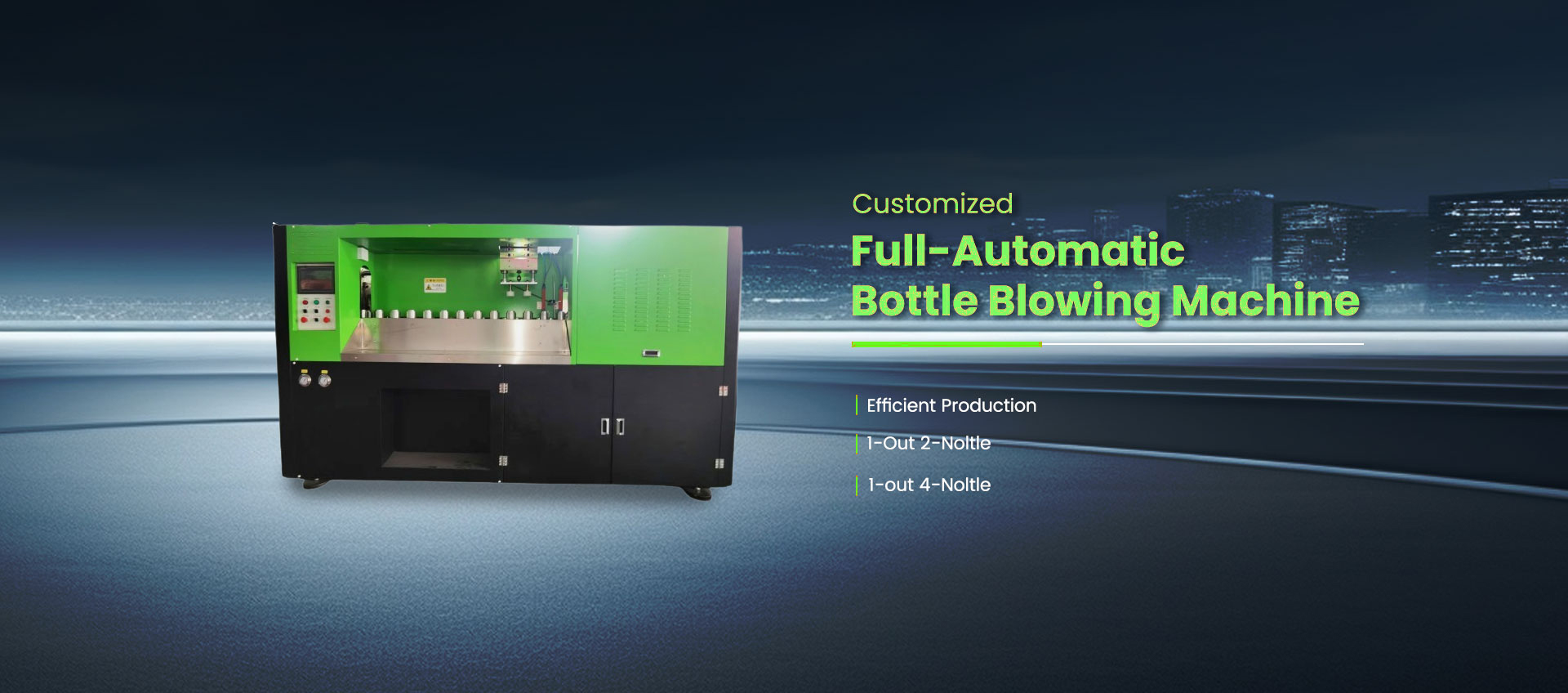
For factories seeking dependable PET bottle blowing solutions, BOHANG offers modern equipment designed for high efficiency, accurate temperature control, and stable output. Their systems support small to large bottle formats and meet the needs of beverage, personal care, and industrial packaging lines.
PET bottle blowing remains an essential process in global packaging production due to its speed, versatility, and material advantages. As demand for lightweight and recyclable packaging continues to grow, PET blowing technology will remain a core solution for manufacturers aiming for high output and reliable product quality. Businesses planning to expand or upgrade their bottle production lines can benefit from modern, energy-efficient blowing systems that support diverse bottle designs and deliver long-term performance.
For high-quality PET Bottle Blowing Machinery, consider exploring BOHANG’s equipment solutions to enhance your production efficiency and product consistency.