GZbohangzhineng@163.com
+86-18675873677



A buyer asking about blow Molding machine price is rarely asking for one fixed number. In real production, pricing changes because the machine is only one part of the investment. Output target, bottle design, automation level, energy use, mold strategy, and long-term maintenance all shape the final budget. That is why why blow molding machines vary in price is ultimately a question about production goals rather than just equipment cost. BOHANG focuses on bottle blowing equipment, related molds, Manipulators, and packing equipment, which helps buyers evaluate the full line instead of comparing machines in isolation. BOHANG also states that its bottle blowing systems support customization, automated controls, and a capacity range of about 1,000 to 10,000 bottles per hour depending on model.
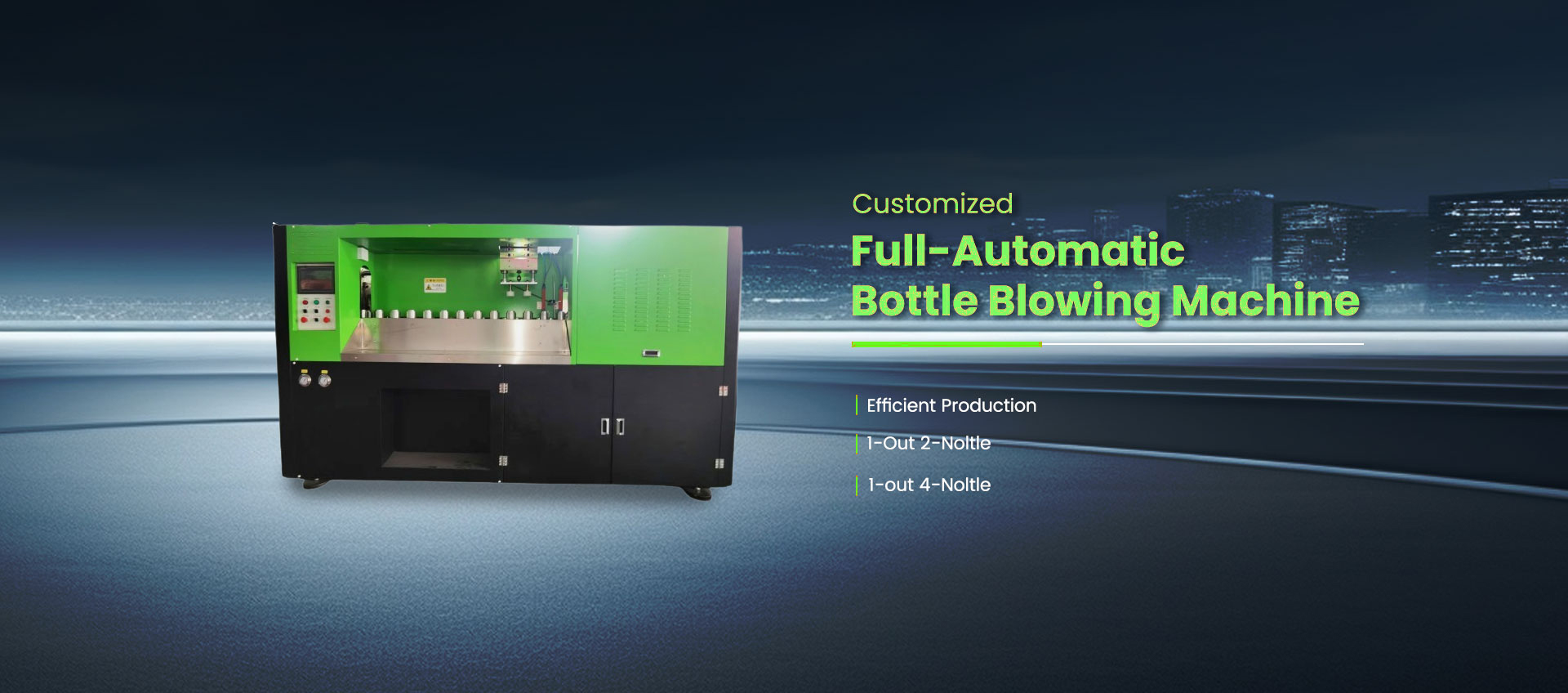
The first major driver is process type. A semi-automatic unit for small batch production is priced very differently from a fully automatic PET system built for stable, continuous output. BOHANG’s product range includes semi-automatic and fully automatic bottle blowing solutions, and its own product descriptions show clear differences in labor input, production flexibility, and automation level. Fully automatic equipment integrates heating, mold movement, blowing, and discharge in one cycle, so the equipment structure, controls, and overall investment are naturally higher.
This is where machine specs start to matter. A plant producing standard water bottles does not need the same setup as a factory making cosmetic containers, wide-mouth packaging, or higher-output beverage bottles. Different bottle shapes, neck finishes, wall-thickness requirements, and material behavior can change the machine configuration and therefore the price. BOHANG notes that its systems can be customized for different mold designs, bottle sizes, and additional features, which is a practical reason pricing does not stay flat across models.
Higher output usually means more than a faster cycle. It often requires better heating consistency, more stable air management, stronger mold clamping, improved servo coordination, and better control logic. BOHANG lists a typical production range of 1,000 to 10,000 bottles per hour, and that gap alone explains why two machines in the same category may not be priced similarly. A machine built for predictable high-volume operation must hold repeatability over long runs, not just complete a short test successfully.
Automation also changes labor cost, scrap control, and line stability. BOHANG highlights PLC control, servo systems, automated controls, and user-friendly interfaces in its bottle blowing range. Those features raise the equipment price at purchase stage, but they can lower manual dependence and reduce avoidable process variation over time. For factories planning multi-shift production, this part of the cost factors calculation is often more important than the initial quote alone.
Energy efficiency is one of the most overlooked pricing variables in plastic machinery. A lower-priced machine can become the more expensive option if it runs with poor heating control, unstable standby behavior, or inefficient drive systems. BOHANG emphasizes energy-efficient components, infrared heating, and intelligent control in its PET bottle blowing equipment.
This matters because measured industrial data shows that operational state has a major influence on the energy consumption of bottling and packaging machines, sometimes more than nominal machine speed itself. Research published in Sustainability by MDPI found that machine operating state is a major driver of energy consumption behavior in bottling equipment, and the same study measured conveyor elements at 6.2 percent of total consumption in one PET bottling plant. That tells buyers a useful truth: machine selection should include not only headline speed, but also how the line behaves during standby, ramp-up, and actual production.
The machine body is not the whole purchase. Mold quality, cavity strategy, bottle complexity, and material compatibility can significantly change the final price. BOHANG explains that its Bottle Blowing Machines can produce PET bottles in various shapes and sizes and can also support other plastics such as PP and PC in some configurations. It also states that buyers can request different mold designs and bottle specifications.
When the bottle design requires tighter neck tolerance, improved clarity, stronger base performance, or faster mold change, the budget rises. The same applies when the project needs multi-cavity production or future bottle-format expansion. Buyers who compare only the base machine price often underestimate how much tooling and product requirements influence the final investment.
Two quotes can look similar until installation, training, maintenance planning, spare parts, and downstream integration are discussed. BOHANG presents not only bottle blowing machines but also molds, manipulators, and packing equipment, which is useful for buyers building a coordinated production line. That broader manufacturing scope can reduce integration risk and make later expansion easier.
A practical buying decision should therefore compare more than the sticker price.
| Price Driver | Why It Changes Cost |
|---|---|
| Machine type | Semi-automatic and fully automatic systems have very different structures and labor models |
| Output target | Higher bottles-per-hour requires stronger stability and faster coordinated motion |
| Automation level | PLC, servo control, monitoring, and line integration increase hardware and software value |
| Energy design | Better heating and drive efficiency can lower long-term operating cost |
| Mold and bottle design | Custom shapes, cavity count, and tolerance demands raise tooling and setup cost |
| Line integration | Packing, manipulator, and mold support affect the total investment and deployment speed |
The most useful way to evaluate blow molding machine price is to connect the quote with production reality. Ask what output you truly need, how many bottle formats must be supported, what labor level is acceptable, how important energy control is, and whether future expansion is likely. BOHANG’s range covers semi-automatic and fully automatic options, customization, and related line equipment, which makes it easier to match a machine to a real manufacturing plan rather than buy on price alone.
The answer to why blow molding machines vary in price comes down to production depth. Type, automation, output, mold strategy, energy behavior, and integration scope all affect the number on the quotation. A lower entry price may fit a simple short-run application, while a higher-priced system may deliver better consistency, lower labor dependence, and stronger long-term economics. For buyers evaluating new bottle production capacity, BOHANG offers a practical mix of machine options, customization capability, and supporting equipment that can help turn a quote into a workable manufacturing solution. For a more accurate recommendation, share your bottle type, target output, and preferred automation level.
Previous: