GZbohangzhineng@163.com
+86-18675873677



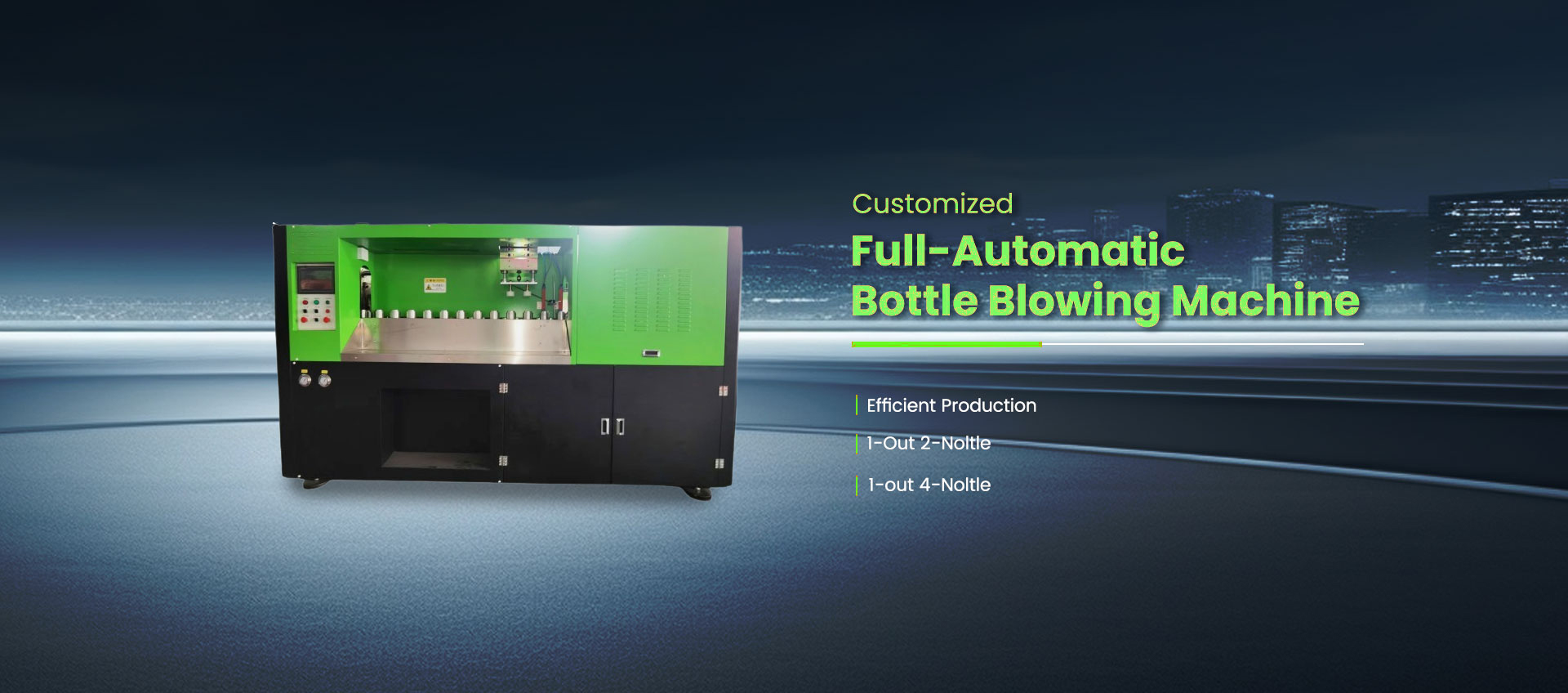
In plastic bottle production, efficiency is never controlled by one machine alone. It comes from how well resin preparation, heating, air supply, mold design, automation, and downstream handling work together. When one step is unstable, the whole line loses speed, creates more rejects, and raises cost per bottle. For manufacturers producing PET containers at scale, improving bottle production efficiency is usually less about chasing the highest theoretical speed and more about keeping the line stable for long runs with consistent quality. BOHANG focuses on that practical side of performance with Bottle Blowing Machines, molds, Packing Machines, and Manipulators that support a more integrated production flow. Its site states that its bottle blowing equipment can typically cover about 1,000 to 10,000 bottles per hour depending on the model, and it also offers customization for mold design, bottle size, and added functions.
Resin quality is one of the first limits on production line efficiency, output and bottle consistency. In PET production, moisture control is especially important. The Association of Plastic Recyclers states that PET used before extrusion should be dried to less than 50 ppm moisture, while Conair notes that 50 ppm is the low residual moisture level required for preform molding. When resin is not dried correctly, processors face haze, brittleness, dimensional variation, and unstable forming behavior, all of which reduce usable output and increase downtime for adjustment.
For buyers comparing equipment, this matters because a fast machine cannot rescue poor resin preparation. Stable bottle production starts with controlled drying, steady material feeding, and repeatable preform quality.
Many factories focus on heating performance first, but cooling is often the bigger bottleneck. A 2020 peer reviewed study reported that cooling can account for around 70 percent to 80 percent of the molding cycle time. That means even a modest improvement in heat transfer, mold channel design, or cooling balance can lift line speed without sacrificing bottle shape stability.
When evaluating how to improve bottle production efficiency, mold quality should be treated as a production asset, not just a tooling purchase. Poor mold cooling increases cycle time, while poor venting or weak pinch off design can create flash, sealing defects, or deformation. BOHANG’s product structure is useful here because it supplies both bottle blowing machines and molds, which helps reduce mismatch between equipment and tooling during setup.
Bottle blowing depends on compressed air, but compressed air is expensive and inefficient when poorly managed. The U.S. Department of Energy states that the overall efficiency of a typical compressed air system can be as low as 10 percent to 15 percent. A DOE case study at a plastics blow molding plant also reported annual savings of about 180,000 dollars after compressed air system modifications improved efficiency and reliability.
This has two implications. First, unstable pressure or contaminated air can directly affect bottle forming quality. Second, air leaks and oversupply quietly raise production cost even when output looks acceptable. For plants making bottles continuously, compressed air should be reviewed as part of the process, not as a separate utility.
High output on paper does not always translate into high shipment volume. In manufacturing, OEE is a useful way to understand this gap. Lean Production notes that 85 percent OEE is considered world class, while about 60 percent is fairly typical for many discrete manufacturers. The difference is usually caused by stoppages, minor faults, speed loss, and quality loss rather than lack of machine speed alone.
For bottle plants, the common efficiency losses are mold change delays, heater instability, jammed downstream packing, inconsistent preforms, and slow troubleshooting. BOHANG’s offering of blowing machines together with packing machines and manipulators supports a more connected line layout, which can reduce manual transfer time and help stabilize actual production line efficiency, output across the full process.
| Factor | Typical Risk When Unstable | Efficiency Impact |
|---|---|---|
| PET moisture control | Haze, brittleness, reject bottles | More scrap and slower startup |
| Mold cooling performance | Longer cycle time, deformation | Lower hourly output |
| Compressed air management | Pressure fluctuation, high energy cost | Poor forming stability and higher cost |
| Automation and transfer | Manual delays, inconsistent handling | More stoppages between stations |
| Maintenance discipline | Heater faults, lubrication issues, unplanned shutdowns | Reduced OEE and missed delivery targets |
The technical logic behind this table is supported by PET drying standards, cooling research, compressed air guidance, and manufacturing OEE benchmarks.
In plastic bottle production, the bottle blowing machine is only one part of the result. Output stability also depends on mold fit, product handling, packing rhythm, and the speed of issue response on the shop floor. BOHANG positions itself around that broader production need with bottle blowing machines, molds, packing machines, and manipulators rather than a single standalone unit. Its pet bottle blowing machine is presented as high precision equipment for PET bottle manufacturing, and its bottle blowing machine range is described as suitable for multiple bottle shapes and sizes, including water, juice, and cosmetic containers.
That matters for buyers who are not just buying capacity, but trying to secure stable daily output, lower labor dependence, and fewer quality interruptions.
The main factors that affect bottle production efficiency are material condition, mold cooling, compressed air performance, downtime control, and how well upstream and downstream equipment work together. Plants that improve these areas usually see better cycle stability, lower reject rates, and more reliable shipment planning. BOHANG’s product range is relevant because it covers the key parts of a working bottle line, from blowing equipment to molds, manipulators, and packing support. When a factory is serious about how to improve bottle production efficiency, the best results usually come from optimizing the whole system instead of only replacing one machine.
For production planning, capacity matching, or machine selection, BOHANG can help review the bottle type, target output, and line configuration to find a more efficient manufacturing solution.