GZbohangzhineng@163.com
+86-18675873677



Selecting the right PET bottle blow Molding machine is a critical decision that directly impacts production efficiency, energy consumption, and long-term operating costs. With the rapid growth of the plastic packaging machinery industry and increasing demand for lightweight, high-quality bottles, manufacturers must evaluate multiple technical and commercial factors before making an investment.
This guide provides a structured approach to help decision-makers understand how to choose Bottle Blowing Machine solutions that align with real production needs.
A PET bottle blow molding machine is designed to transform preforms into finished bottles through heating, stretching, and high-pressure air blowing. This process is widely used for water, beverages, edible oil, and personal care packaging.
Modern systems are typically divided into two categories:
Semi-automatic machines for flexible, lower-volume production
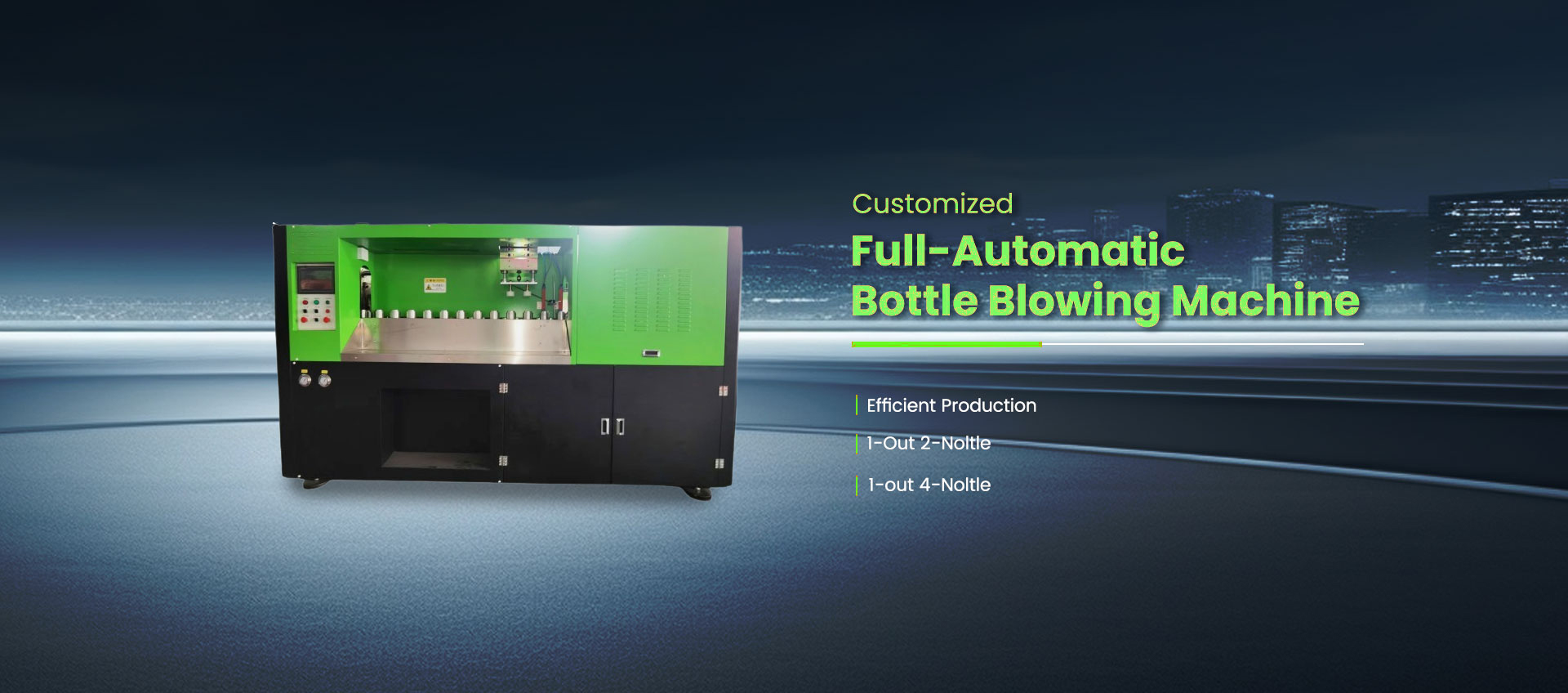
Fully automatic high-speed systems for continuous industrial output
Two-stage technology remains the dominant solution, separating preform injection and blowing processes to improve efficiency and product consistency.
For high-volume applications, advanced machines can achieve production speeds of 4,000–8,000 bottles per hour depending on cavity configuration and bottle size.
Capacity is the first factor when selecting a bottle blowing machine. It should match both current demand and future expansion plans.
Bottles per hour output
Number of cavities
Bottle size range
| Machine Type | Typical Output Range |
|---|---|
| Semi-automatic | 500–2,000 BPH |
| Automatic | 3,000–8,000 BPH |
| High-speed linear | 8,000+ BPH |
Choosing an undersized PET machine leads to production bottlenecks, while oversized systems increase initial investment and energy waste.
Energy cost is a major component of operational expenses in plastic packaging machinery.
Studies show that stretch blow molding systems can account for more than 60% of total energy consumption in a bottling plant. Typical machines may consume 5–15 kW per hour depending on configuration, while efficient systems can reduce consumption to around 0.5 kWh per cycle in optimized designs.
Heating system efficiency
Air compression system
Cooling cycle optimization
Machine automation level
Selecting energy-efficient equipment reduces long-term costs and supports sustainable manufacturing goals.
Different bottle designs require specific machine capabilities.
Neck finish precision
Bottle volume flexibility
Wall thickness control
Compatibility with lightweight PET
Industry data indicates that plastic bottle production energy consumption can vary between 0.18 and 3.35 kWh per kg depending on process efficiency. This highlights the importance of matching machine specifications with product design requirements.
Automation plays a key role in improving consistency and reducing labor dependency.
PLC control systems
Touchscreen operation interface
Automatic fault detection
Real-time production monitoring
Advanced systems allow precise control of temperature, air pressure, and cycle time, which directly impacts product quality and energy efficiency.
Machine selection should not be based only on purchase price. A full cost analysis includes:
| Cost Component | Estimated Contribution |
|---|---|
| Raw materials | ~0.03 USD per bottle |
| Labor | ~0.15 USD per bottle |
| Energy | ~0.10 USD per bottle |
| Equipment depreciation | ~0.05 USD per bottle |
These figures illustrate that energy and efficiency have a direct impact on profitability.
Stable performance ensures consistent output and reduces downtime.
Machine structure rigidity
Component durability
Ease of maintenance
Availability of spare parts
Modern designs can improve production capacity by 20% while reducing power consumption by up to 50% compared to older systems.
BOHANG focuses on delivering reliable PET bottle blow molding machine solutions tailored for industrial production environments.
Strong engineering capability in bottle blowing machine design
Optimized energy-efficient systems for cost control
Flexible configurations for different bottle sizes and industries
Stable production performance for continuous operation
Integrated solutions covering the full plastic packaging machinery process
By combining production expertise with advanced manufacturing technologies, BOHANG ensures consistent bottle quality, reduced operational costs, and scalable production capacity.
Choosing the right PET machine requires a balance between production capacity, energy efficiency, automation level, and long-term operating cost. A well-matched system improves output stability, reduces waste, and enhances overall manufacturing competitiveness.
Understanding these key factors provides a clear path for selecting equipment that supports both current production goals and future growth in the evolving plastic packaging industry.