
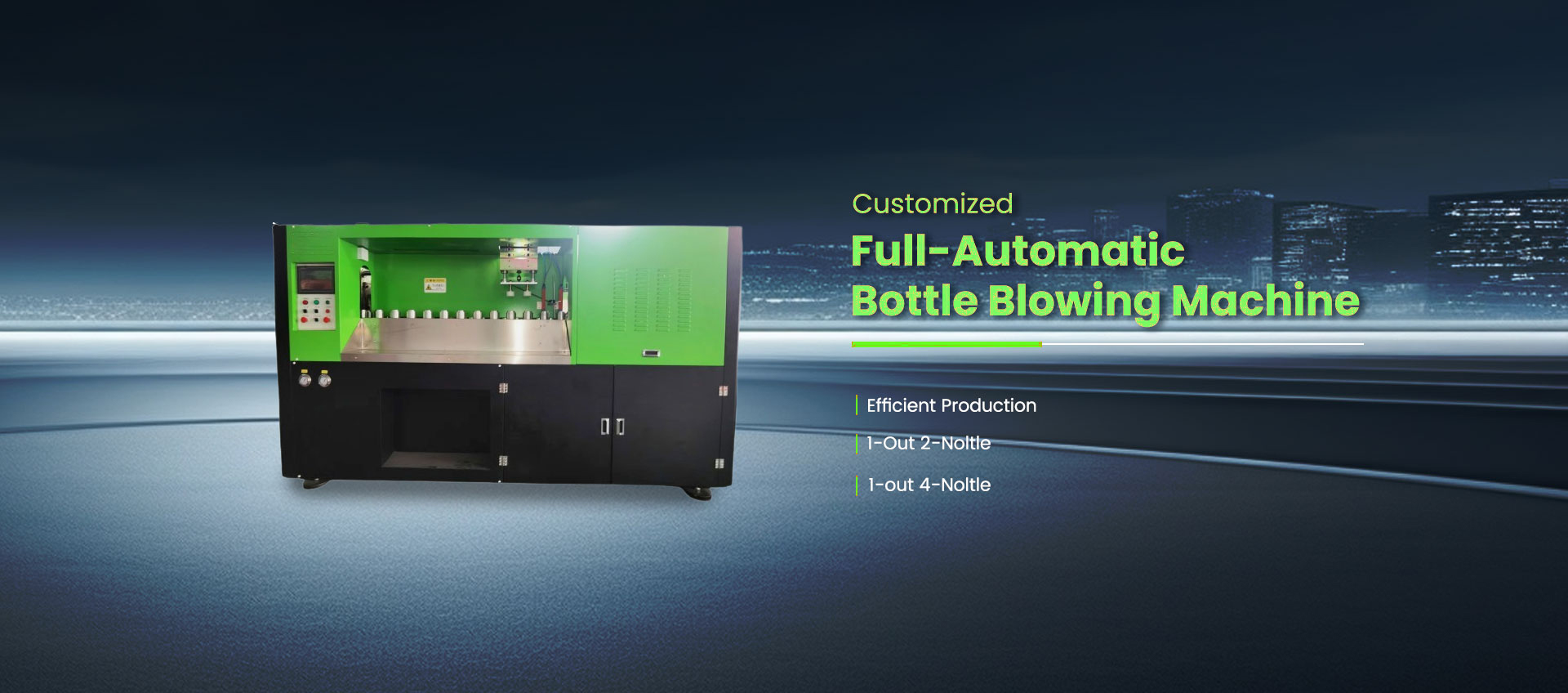
Plastic bottle-blowing machines operate under high temperature, high pressure, and continuous mechanical motion. During long-term production, various faults may occur, affecting bottle quality, production efficiency, and operational stability.
Ease of maintenance is a critical factor when choosing a bottle blowing machine. For manufacturers, maintenance efficiency directly affects production uptime, operating costs, product consistency, and long-term return on investment.
An uneven bottle bottom is a common quality issue in blow molding production. It can affect bottle stability, visual appearance, filling performance, and even downstream packaging operations. If not addressed in time, this problem may lead to higher rejection rates and customer complaints.
Bottle blowing machines are designed to transform plastic raw materials into uniform, durable bottles used across food, beverage, personal care, pharmaceutical, and industrial packaging sectors.
When evaluating a bottle blowing machine for your manufacturing line, understanding the unit production rate — how many bottles the machine can produce in a given time — is essential for planning capacity, cost, and return on investment.
A bottle blowing machine is a key piece of industrial equipment used for manufacturing plastic bottles, jars, and containers. These machines are widely used in industries such as beverages, food, cosmetics, pharmaceuticals, and household products.
In bottle production, air pressure is one of the most important factors that directly influences product quality, production stability, and overall efficiency of your bottle blowing machine. The term air pressure refers to the force with which compressed air is delivered into the preform during the blow molding process.
A bottle blowing machine is essential equipment in modern packaging production. It converts simple plastic preforms into finished hollow bottles, supporting high-volume manufacturing for beverages, cosmetics, cleaning products, and pharmaceuticals.
A bottle blowing machine is the core equipment used to transform preforms into finished plastic bottles for water, beverages, household chemicals, cosmetics and industrial packaging. Understanding its major components helps buyers evaluate production efficiency, bottle quality and long-term reliability.
A bottle blowing machine transforms PET preforms into finished plastic bottles through a controlled and highly efficient production process. This technology is widely used in beverage, food packaging, cosmetics, and household chemical industries due to its precision, speed, and ability to support a wide range of bottle shapes and volumes.